28 July 2026 Dawid Drej
How the Romantic Genius from Żelazowa Wola Made the Whole World Fall in Love with Him
Frédéric Chopin is a name that opens the door to the most intimate and emotional corners of the human soul. Even today, nearly two hundred years after his death, his works sound most phenomenal in intimate, candlelit spaces, where listeners can experience live art almost at their fingertips. What was the journey of the man who revolutionized piano playing like?
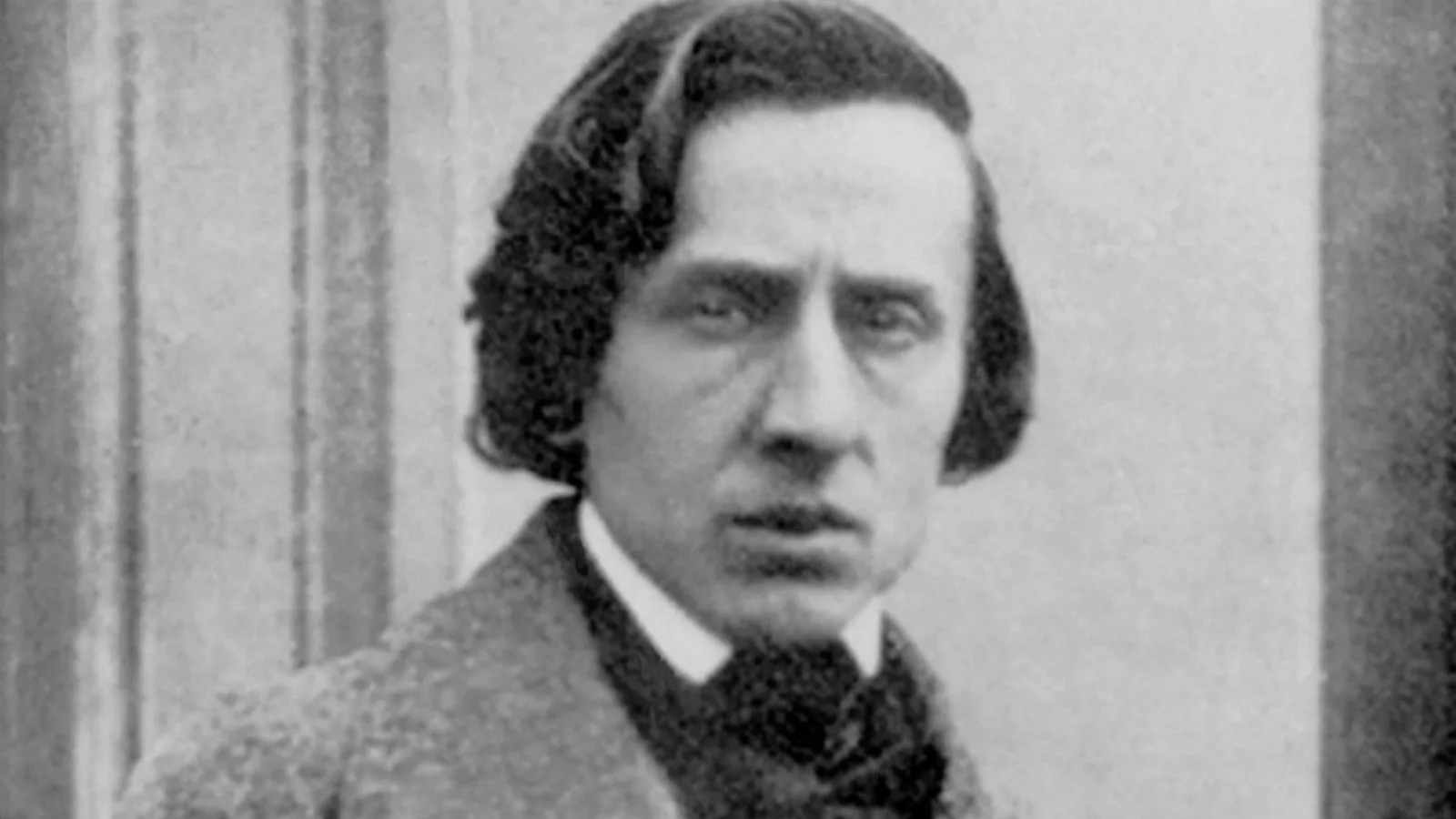
The Child Prodigy of Warsaw
He was born in 1810 in Żelazowa Wola, but his talent blossomed in Warsaw. From an early age, he was considered a child prodigy – a musical genius often compared to a young Mozart. As a boy of just a few years old, he played in the salons of the Warsaw aristocracy, and he composed his first piece (Polonaise in G minor) at the age of 7. Warsaw was the place where he absorbed Polish folklore, which would later define his unique, national style.
A One-Way Ticket and the Great Emigration
In the autumn of 1830, twenty-year-old Frédéric left Poland to perform in Europe. He didn't know he was doing it for good. Shortly after his departure, the November Uprising broke out. Upon hearing the news of its fall and the capture of Warsaw by the Russians, Chopin suffered a deep nervous breakdown. He poured his despair onto the keys – that is when, according to legend, the dramatic and rebellious "Revolutionary Étude" was created. Ultimately, Paris – the capital of European culture at the time – became his new home.
The King of Intimate Salons
Contrary to appearances, the virtuoso from Poland did not love huge concert halls at all. Public performances in front of massive audiences stressed him out. He felt best in the intimate spaces of French salons, where he could play for a handful of friends and artists. It was exactly in such conditions that his music – full of Slavic nostalgia, the famous Polish żal (sorrow), and the innovative use of tempo (rubato) – shined the brightest. In Paris, Chopin became an elite piano teacher and a highly sought-after composer.
It was also there that he met the French writer George Sand. Their turbulent, nearly decade-long relationship was the period of Chopin's greatest creative fertility, although marked by a constant struggle for the composer's health. Their famous trip to Mallorca, which was supposed to help treat Chopin's respiratory tract, turned out to be a weather disaster, but it resulted in the creation of the brilliant cycle of 24 Preludes.
Body in Paris, Heart in Warsaw
Throughout his life, Chopin struggled with extremely fragile health. Researchers and doctors still analyze his symptoms today – it is most commonly assumed that he suffered from advanced tuberculosis, although modern medicine also suggests cystic fibrosis. The disease ultimately defeated him on October 17, 1849, in Paris.
Before his death, the composer had one great wish: he wanted his heart to return to his homeland after he passed away. His older sister, Ludwika, fulfilled this request by smuggling her brother's heart under her dress across the borders to Warsaw (today it rests in the Holy Cross Church).
Music That Builds Worlds
Chopin left behind an unparalleled legacy. He did not write grand symphonies or operas – he dedicated almost all of his work to the piano. His polonaises, mazurkas, nocturnes, or the virtuosic, thrilling Scherzo in B minor are pieces that to this day are capable of transporting listeners into entirely different, musical lands of imagination.
Chopin's success lay in the fact that he did not create music for the sake of technique alone. He created a painfully honest language of emotions. And that is exactly why his work still lives on, not as a museum exhibit, but as a living experience that continues to attract, move, and delight successive generations.